Loft Insulation: The Complete Beginner’s Guide to Upgrading Your Loft Insulation
Loft insulation is one of the simplest and most effective ways to improve your home’s energy efficiency. Many properties across the UK still have outdated or insufficient insulation, which can lead to heat loss, condensation problems, mould growth, and unnecessarily high energy bills.
If you’re a homeowner wondering whether your loft insulation needs upgrading, this beginner’s guide explains how loft insulation works, the warning signs of old insulation, and the benefits of installing modern loft insulation.
What Is Loft Insulation and How Does It Work?
Loft insulation is a layer of insulating material installed in the roof space of your home, usually between and above the loft floor joists. Its purpose is to slow down the movement of heat from inside the home to the colder air outside.
Because warm air rises, a poorly insulated loft allows heat to escape through the roof. In fact, up to 25% of a home’s heat can be lost through an uninsulated roof.
Insulation materials are designed to trap tiny pockets of air. These pockets significantly slow heat transfer, helping to keep warm air inside during winter and preventing excess heat from entering during summer.
Common types of loft insulation include:
Mineral wool insulation rolls
Fibreglass insulation
Rigid insulation boards
Loose-fill insulation
In most homes, insulation is laid between the wooden joists of the loft floor and then topped up with another layer across the joists to improve thermal performance.
Current UK guidance recommends around 270mm of loft insulation to achieve optimal energy efficiency.
Signs Your Loft Insulation Needs Upgrading
Many homes built before the early 2000s have loft insulation that is too thin by modern standards. Even if insulation exists, it may no longer perform effectively.
Here are some common signs that your loft insulation may need upgrading:
Your Insulation Is Too Thin
Older insulation installations often measure around 100mm or less, which is significantly below modern recommendations. Topping up insulation to the recommended depth can dramatically improve heat retention.
Your Energy Bills Are Increasing
If your heating bills continue to rise despite normal usage, poor insulation could be allowing heat to escape through the roof. Upgrading your loft insulation helps reduce heat loss and improves overall energy efficiency.
Your Home Loses Heat Quickly
Homes with insufficient loft insulation often feel warm when the heating is on but cool down quickly once it is turned off. This is a strong indication that heat is escaping through the roof.
Insulation Looks Compressed or Damaged
Over time insulation can become flattened, disturbed, or compacted by foot traffic or storage. Compressed insulation loses the air pockets that make it effective.
Problems Caused by Old or Ineffective Loft Insulation
Outdated loft insulation doesn’t just waste energy. It can also contribute to several issues within your home.
Heat Loss Through the Roof
Without proper insulation, warm air rising from the living spaces escapes easily into the loft and out through the roof structure. This means your heating system must work harder and longer to maintain comfortable temperatures.
Higher Energy Bills
As heat escapes, your boiler or heating system must use more energy to compensate. Over time, this leads to higher household energy costs.
Improving your loft insulation is one of the most cost-effective ways to reduce heating bills.
Condensation in the Loft
Condensation occurs when warm, moisture-rich air from the home rises into a cold loft space. When the air cools, moisture forms on roof timbers, felt, and other surfaces.
Poor insulation can contribute to temperature differences that increase condensation risk.
Mould and Damp Problems
If condensation persists in the loft, it can lead to mould growth. Mould can damage roof timbers, stored items, and ceilings below the loft space.
In severe cases, persistent moisture may contribute to structural damage over time.
Upgrading loft insulation while ensuring proper ventilation helps reduce these risks.
The Loft Insulation Upgrade Process
Upgrading loft insulation is usually a straightforward process that can often be completed within a few hours depending on the size of the property.
1. Loft Inspection
The first step is assessing the existing insulation. This involves checking:
Current insulation depth
Condition of the insulation
Signs of damp or mould
Ventilation within the loft space
If the insulation is dry and in reasonable condition, it can often remain in place and simply be topped up.
2. Preparing the Loft
Before installation begins, the loft is cleared of debris and any compressed insulation is loosened or redistributed.
Electrical cables may be raised slightly above the insulation layer to prevent overheating, and ventilation points near the eaves are checked to ensure airflow is not blocked.
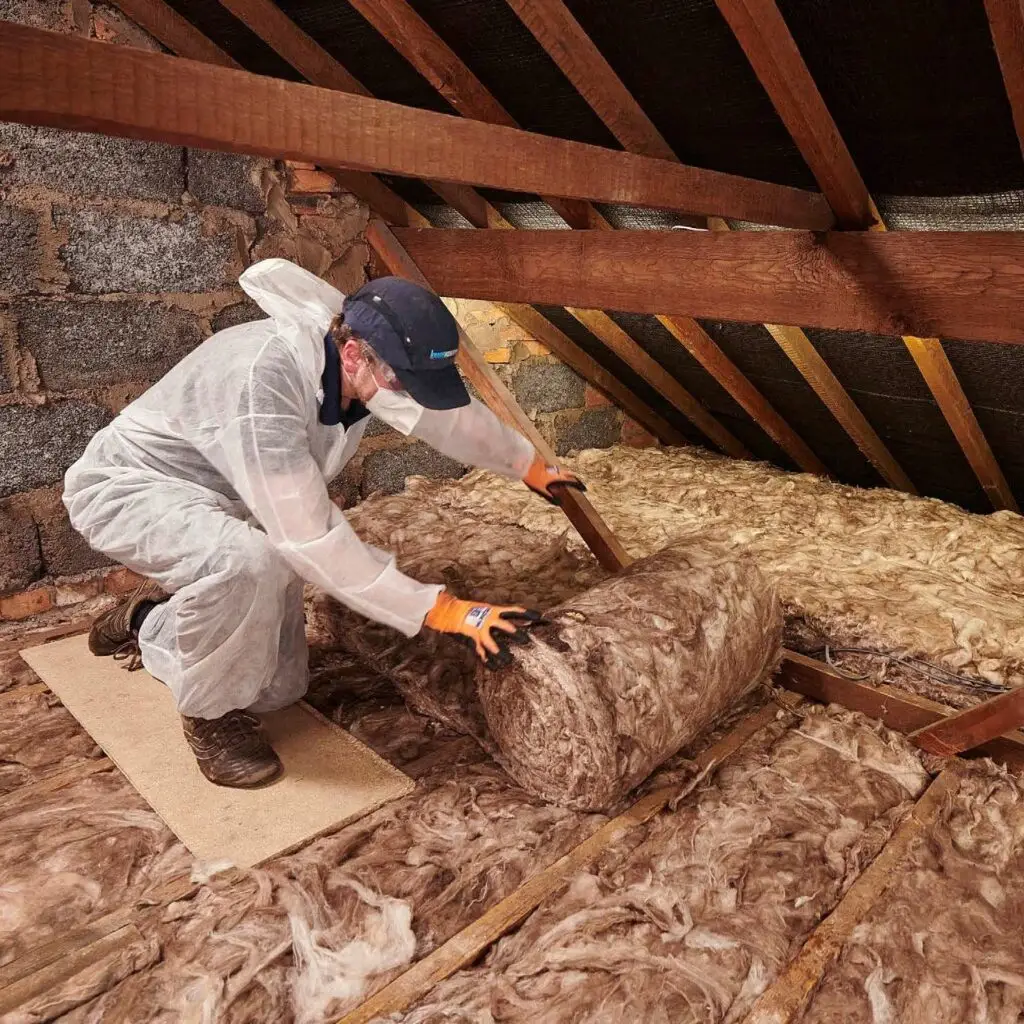
3. Installing Additional Insulation
New insulation is installed in two layers:
First layer: between the joists
Second layer: across the joists
This cross-layer method reduces thermal bridging and ensures consistent coverage.
The final insulation depth is typically increased to around 270mm.
If homeowners want to maintain loft storage space, raised loft boarding systems can be installed so insulation can reach the correct depth without being compressed.
4. Final Quality Checks
After installation, installers check that the insulation forms a continuous layer across the loft floor and that ventilation paths remain open.
Benefits of Upgrading Loft Insulation
Upgrading your loft insulation can significantly improve your home in several ways.
Lower Energy Bills
Better insulation reduces the amount of heat lost through the roof, meaning your heating system uses less energy. Over time, this can lead to noticeable savings on your energy bills.
A Warmer, More Comfortable Home
With improved heat retention, rooms stay warmer for longer and temperature fluctuations are reduced. This leads to a more comfortable living environment throughout the home.
Reduced Condensation and Moisture
Proper insulation helps regulate the temperature difference between living areas and the loft space. When combined with good ventilation, this reduces the likelihood of condensation and damp problems.
Improved Energy Efficiency
Upgrading loft insulation contributes to better overall home energy performance, which may improve your property’s Energy Performance Certificate (EPC) rating.
Improved efficiency is increasingly important for homeowners and property buyers.
Is Loft Insulation Worth It?
For most homes, upgrading loft insulation is one of the most cost-effective energy efficiency improvements available.
It requires relatively little disruption, can often be completed quickly, and delivers long-term benefits including lower energy bills, improved comfort, and reduced condensation risk.
If your home has old or insufficient insulation, upgrading your loft insulation can make a significant difference to both your living environment and energy costs.
Get Expert Advice on Loft Insulation Upgrades
If you suspect your loft insulation may be outdated or insufficient, a professional inspection can help determine whether an upgrade is needed.
A properly insulated loft helps protect your home from heat loss, condensation issues, and rising energy costs — making it a worthwhile investment for long-term comfort and efficiency. If you are interested in a free loft survey to see if your insulation needs upgrading, follow the link here.