Loft Boarding: A Beginner’s Guide to Safer Storage, Raised Systems, and Loft Access
For many homeowners, the loft is an underused space that could provide valuable storage. However, simply placing boards directly onto loft joists can cause problems if it compresses the insulation beneath. Proper loft boarding provides a practical storage area while protecting the insulation that keeps your home energy efficient.
In this guide, we’ll explain the basics of loft boarding, why raised loft boarding systems are important, and how loft ladders and hatch installations improve access and convenience.
What Is Loft Boarding?
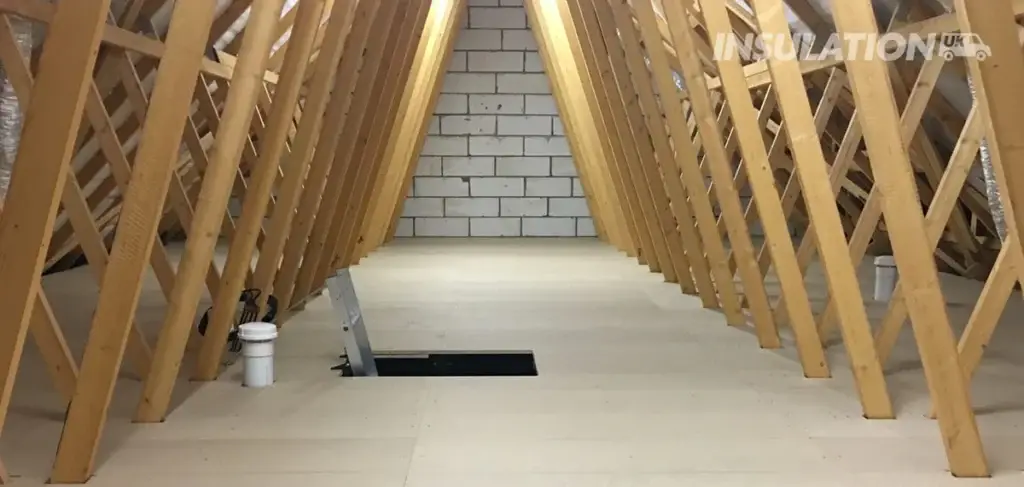
Loft boarding is the process of installing wooden or composite boards across the joists in your loft to create a stable, usable floor. This allows homeowners to safely store items such as seasonal decorations, suitcases, archived paperwork, and other belongings that don’t need to be kept in everyday living areas.
Without loft boarding, items placed directly onto the joists or insulation can become unstable or damage the insulation layer. Boarding creates a secure platform, making the loft space far more practical and accessible.
For many homes, loft boarding transforms an awkward and dusty space into an organised storage area.
Why Loft Boarding Is Useful for Home Storage
One of the biggest advantages of loft boarding is the additional storage space it creates without requiring a costly home extension.
Many homes lack sufficient storage for bulky items, and loft spaces are often large enough to accommodate a significant amount of belongings. Properly installed boarding makes it much easier to store items safely without balancing boxes on ceiling joists or risking damage to insulation.
Benefits of loft storage include:
Making better use of unused space in your home
Keeping rarely used items out of living areas
Creating organised storage zones for boxes and containers
Reducing clutter in cupboards, garages, and spare rooms
When combined with proper loft access, such as a ladder and hatch, a boarded loft becomes a convenient extension of your home’s storage capacity.
Why Loft Boarding Must Be Raised
A common mistake homeowners make is laying boards directly on top of the joists. While this may seem like a quick and easy solution, it can cause serious problems for your home’s insulation and ventilation.
Modern loft insulation is typically installed to a depth of around 270mm. Standard loft joists are usually much shallower than this, often around 100mm. If boards are fixed directly to the joists, the insulation becomes compressed.
Compressed insulation loses its ability to trap air effectively, which significantly reduces its thermal performance.
Protecting Your Home’s Insulation
Raised loft boarding systems use specially designed supports or legs that lift the boards above the insulation layer. This ensures the insulation remains at its full depth and continues to perform as intended.
Maintaining the full thickness of insulation helps prevent heat from escaping through the roof and keeps your home more energy efficient.
Maintaining an Air Gap
Another important benefit of raised boarding systems is that they help maintain an air gap above the insulation. This gap allows air to circulate through the loft space and prevents moisture buildup.
Good airflow is essential for preventing condensation, which can lead to damp conditions, mould growth, and potential damage to roof timbers.
By installing raised loft boarding, homeowners can enjoy convenient storage while still protecting their home’s energy efficiency and ventilation.
The Loft Boarding Installation Process
Professional loft boarding installation typically follows several key steps to ensure the loft remains safe, efficient, and suitable for storage.
1. Loft Inspection
The process begins with a full inspection of the loft space. This includes checking:
The depth and condition of existing insulation
Joist spacing and structural integrity
Ventilation at the eaves
Electrical wiring and pipework
This assessment helps determine the best boarding system for the loft.
2. Installing Raised Boarding Supports
Specialised support legs are fixed to the loft joists to create a raised framework above the insulation layer. These supports ensure the boards sit high enough to prevent insulation compression.
The supports are spaced evenly to provide a strong and stable base for the loft boards.
3. Laying the Loft Boards
Loft boards are then fitted onto the raised framework and securely fixed into place. The boards are typically installed in sections, allowing homeowners to choose whether they want partial boarding for storage pathways or full loft coverage.
High-quality loft boards are designed to support the weight of stored items while maintaining durability over time.
4. Finishing and Safety Checks
Once installed, the boarding is checked to ensure it is secure, level, and safe to walk on. Installers also confirm that ventilation pathways remain clear and that insulation has not been disturbed during the process.
Loft Ladder Installation for Easy Access
Having a boarded loft is only truly useful if it can be accessed safely and easily. This is where loft ladder installation becomes an important part of the process.
A loft ladder provides convenient access to the loft space without needing a freestanding ladder or unsafe climbing methods.
Modern loft ladders are designed to be compact and easy to operate. When not in use, they fold away neatly into the loft hatch, keeping ceilings clear and maintaining the appearance of the room below.
Common types of loft ladders include:
Folding loft ladders
Sliding loft ladders
Telescopic loft ladders
Installing a loft ladder significantly improves the practicality of using your loft for storage.
Loft Hatch Installation and Upgrades
Many older homes have small loft hatches that make access difficult, especially when trying to move storage boxes in and out of the loft.
Upgrading the loft hatch is often recommended alongside loft boarding and ladder installation.
Larger Loft Hatches
A larger loft hatch makes it much easier to access the loft safely and move items in and out of storage. Modern hatch sizes also make ladder installation simpler and safer.
Insulated Loft Hatches
Insulated loft hatches help prevent heat from escaping through the ceiling opening. This helps maintain the thermal efficiency of your home and complements the benefits of loft insulation.
Draught-Sealed Hatches
Modern loft hatches are designed with draught seals that prevent warm air from escaping into the loft space. This improves comfort and helps reduce energy loss.
The Benefits of Professional Loft Boarding and Access Installation
When loft boarding, ladders, and hatch upgrades are installed together, they transform an underused roof space into a practical and accessible storage area.
Key benefits include:
Safe and stable loft storage space
Protection of insulation performance
Improved home organisation
Easy and convenient loft access
Reduced risk of insulation compression
Better ventilation and condensation control
By ensuring loft boards are properly raised above the insulation layer, homeowners can enjoy the convenience of loft storage without compromising their home’s energy efficiency.
Final Thoughts
Loft boarding is an excellent way to make better use of unused space in your home. However, it’s important that boarding is installed correctly to avoid damaging insulation or creating ventilation problems.
Raised loft boarding systems ensure insulation remains effective while maintaining airflow within the loft. When combined with a properly installed loft ladder and insulated hatch, the result is a safe, accessible, and highly practical storage solution.
For homeowners looking to maximise storage without sacrificing energy efficiency, professionally installed loft boarding and loft access solutions are a smart long-term investment. If you are interested in a free survey to check your suitability for loft boarding and a free no-obligation quote, follow the link here.