Loft Condensation and Ventilation: Why It Happens and How to Prevent It
Condensation in a loft is a common issue in many homes, particularly in older properties or houses that have undergone insulation upgrades without proper ventilation improvements. While it may seem like a minor problem at first, persistent condensation can lead to mould growth, damp conditions, and even structural damage if left unresolved.
Understanding how loft ventilation works, why condensation forms, and how these issues can be fixed is key to protecting both your roof space and the wider home.
What Is Loft Condensation?
Condensation occurs when warm, moisture-laden air comes into contact with a cold surface. When the air cools, it can no longer hold the same amount of moisture, causing water droplets to form.
In homes, warm air from daily activities such as cooking, showering, and drying clothes naturally rises upward. If this moisture reaches the loft space and meets colder roof surfaces, condensation can form on:
Roof tiles and felt
Roof timbers and rafters
Nails and fixings in the roof structure
Stored items within the loft
While small amounts of moisture may evaporate naturally, persistent condensation can cause significant problems over time.
Why Proper Loft Ventilation Is Essential
Ventilation in a loft allows fresh air to circulate through the roof space. This airflow helps remove moist air before it can settle on cold surfaces and form condensation.
Most homes rely on eaves ventilation, which allows air to enter through the edges of the roof where it meets the walls. The air then moves through the loft space and exits through other ventilation points such as ridge vents or roof vents.
This continuous airflow helps maintain a balanced environment within the loft, preventing moisture from building up.
Without adequate ventilation, moisture becomes trapped in the loft space and condensation becomes far more likely.
Why Some Homes Have Inadequate Loft Ventilation
Many homes experience condensation problems because their loft ventilation is insufficient or blocked.
Several common factors can contribute to poor airflow in a loft.
Blocked Eaves
One of the most common causes of poor ventilation is insulation blocking the eaves.
When loft insulation is installed or topped up, it can sometimes be pushed tightly into the edges of the roof. This blocks the airflow that should be entering through the eaves vents.
When these vents are obstructed, fresh air cannot enter the loft space, which prevents moisture from escaping.
Older Roof Designs
Older properties were often built with minimal ventilation compared to modern building standards. While these homes may have functioned adequately in the past, changes such as improved insulation and modern heating systems can increase indoor moisture levels.
Without upgraded ventilation, this additional moisture may accumulate in the loft.
Sealed Homes with Poor Airflow
Modern homes are often designed to be more airtight to improve energy efficiency. While this helps reduce heat loss, it can also trap moisture inside the building.
If moisture cannot escape easily from bathrooms, kitchens, or living spaces, it may rise into the loft and contribute to condensation.
Bathroom and Kitchen Moisture
Activities like cooking, showering, and washing clothes produce large amounts of moisture. If extractor fans are ineffective or ventilation is poor, this moisture can travel upwards through ceilings and loft hatches.
Once it reaches the colder loft environment, condensation can quickly form.
The Warning Signs of Loft Condensation
Condensation in a loft often goes unnoticed until visible signs begin to appear.
Some of the most common warning signs include:
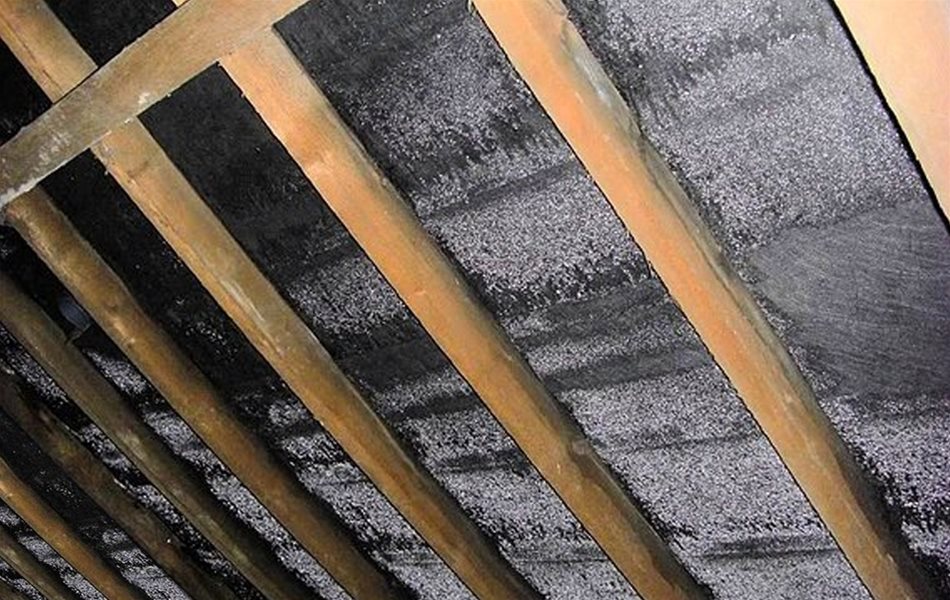
Damp insulation or wet patches in the loft
Water droplets on roof felt or rafters
Rusting nails protruding through the roof membrane
Musty smells coming from the loft
Mould growth on timber or stored items
If condensation is left untreated for long periods, it can lead to rotting timber, mould spreading through the roof space, and damage to insulation performance.
How Loft Condensation Can Affect the Rest of the Home
Although condensation begins in the loft, its effects can extend throughout the property.
Persistent moisture can cause insulation to become damp, reducing its effectiveness and increasing heat loss. This may result in higher heating bills and reduced indoor comfort.
Moisture can also penetrate ceilings and walls, creating damp patches inside the home. Over time, mould growth may develop in upstairs rooms, particularly near ceilings or in poorly ventilated areas.
In severe cases, prolonged condensation can weaken roof timbers and compromise the structural integrity of the roof.
Addressing loft condensation early helps prevent these wider issues from developing.
How Loft Ventilation and Condensation Problems Are Fixed
Resolving loft condensation usually involves improving airflow while ensuring insulation and moisture control measures are correctly installed.
Restoring Eaves Ventilation
If insulation is blocking the eaves, ventilation trays or rafter vents can be installed. These create a clear channel that allows air to flow from the eaves into the loft space without compressing insulation.
This simple solution restores the airflow needed to remove excess moisture.
Installing Additional Roof Ventilation
In some homes, additional ventilation may be required. Roof vents or tile vents can be installed to improve airflow through the loft.
These vents allow moist air to escape while still protecting the roof from rain and weather.
Improving Loft Insulation Installation
Properly installed insulation plays an important role in condensation control. When insulation is installed evenly and correctly, it helps maintain a more consistent temperature between living spaces and the loft.
This reduces the likelihood of warm air rapidly cooling and forming condensation.
Checking Loft Hatches and Seals
Poorly sealed loft hatches can allow large amounts of warm, moist air to enter the loft. Installing insulated and draught-sealed loft hatches can help reduce this airflow.
This helps keep warm air within the living spaces and prevents moisture from rising unnecessarily into the loft.
Addressing Moisture Sources in the Home
In some cases, condensation problems originate from excessive moisture within the home itself. Ensuring bathrooms and kitchens have effective extractor fans and adequate ventilation can significantly reduce moisture entering the loft.
The Benefits of Proper Loft Ventilation
Correctly addressing loft ventilation and condensation issues delivers both immediate and long-term benefits.
Protects Your Roof Structure
Removing excess moisture helps prevent rot, mould, and damage to roof timbers, extending the lifespan of your roof structure.
Prevents Mould and Damp
Improved airflow reduces the likelihood of mould growth within the loft and throughout the home.
Improves Insulation Performance
Dry insulation performs far better than damp insulation. Maintaining a well-ventilated loft helps insulation remain effective and keeps heat inside the home.
Reduces Energy Costs
When insulation performs efficiently and moisture problems are avoided, heating systems do not need to work as hard to maintain indoor temperatures.
Improves Overall Home Health
Reducing moisture and mould helps create a healthier indoor environment for occupants, improving air quality and comfort.
Read more about our ventilation services here.
Final Thoughts
Condensation in the loft is often a sign that ventilation within the roof space is not functioning properly. While it may start as a minor issue, persistent moisture can lead to serious problems affecting both the roof structure and the wider home.
Ensuring proper loft ventilation—through clear eaves, effective airflow, and well-installed insulation—helps prevent condensation from forming and protects the long-term condition of the property.
By addressing ventilation issues early, homeowners can safeguard their loft space, improve energy efficiency, and maintain a healthier, more comfortable home. If you are interested in a free Ventilation and Insulation survey feel free to contact us using the link here.