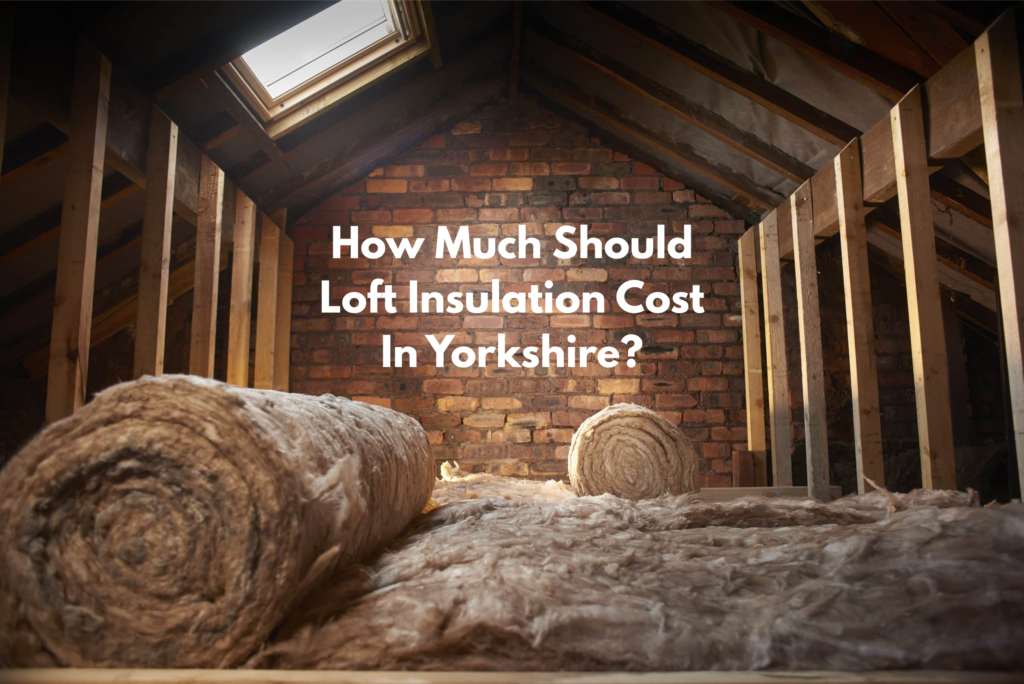
How Much Should Loft Insulation Cost In Yorkshire?
When homeowners start thinking about improving energy efficiency, insulation is usually one of the first upgrades that comes to mind, and for good reason. Loft insulation, in particular, is one of the most effective ways to reduce heat loss, lower energy bills, and create a more comfortable living environment. But one of the most common questions we hear is simple: how much does insulation actually cost?
The answer, as with many home improvements, isn’t one-size-fits-all. The cost of loft insulation depends on a range of factors, from the size and condition of your loft to the type of insulation used and the complexity of the installation. In this guide, we’ll break down those factors clearly so you can understand what goes into the pricing—and why professional installation is often the smartest long-term investment.
Why Loft Insulation Matters
Before diving into costs, it’s worth understanding why loft insulation is so important. Heat naturally rises, and without proper insulation, a significant portion of your home’s warmth escapes through the roof. In many properties, especially older ones, this heat loss can account for up to 25% of total energy waste.
By installing high-quality loft insulation, you’re effectively creating a barrier that slows down heat transfer. This means your home stays warmer in winter, cooler in summer, and requires less energy to maintain a comfortable temperature. Over time, that translates into noticeable savings on your energy bills.
Average Cost of Loft Insulation in the UK
In the UK, the typical cost of supplied and installed loft insulation by a professional company generally falls between £2,000 and £5,000 for a standard property. However, this is a broad estimate, and actual costs can vary significantly depending on several key factors.
For example:
- A small terraced house with easy access and existing insulation in good condition will cost closer to the lower end.
- A larger detached home or cottage with degraded existing insulation and more complex access requirements may sit at the higher end of the scale.
It’s also important to note that these figures usually include professional installation, which ensures the insulation performs as intended and complies with current building standards.
Key Factors That Affect Insulation Costs
1. Size of the Loft
The larger your loft space, the more material and labour will be required. Insulation is typically priced per square metre, so naturally, bigger homes will incur higher costs.
2. Type of Insulation Material
There are several types of loft insulation available, each with its own cost range:
- Mineral wool (glass or rock wool): One of the most common and more cost-effective options.
- Rigid insulation boards: More expensive but highly efficient, often used in very specific applications.
- Sheep’s wool or natural fibres: Eco-friendly but typically priced much higher.
- SuperFOIL SF19+: Advanced technology and great for certain lofts, but can be pricier and less effective.
The right material depends on your loft structure, budget, and long-term goals. Professional companies will always give an honest, objective opinion on what type of insulation you should have and the reason why. They should also be open to other options your interested in and give valid reasons if they don’t think it is suitable. For more information on the types of insulation we offer, follow the link here.
3. Existing Insulation
If your loft already has insulation in good condition, the job may simply involve topping it up to meet recommended thickness levels. This is usually more affordable than starting from scratch.
However, if the existing insulation is damaged, damp, or incorrectly installed, it may need to be removed before new material is added. This adds both time and cost to the project.
4. Accessibility
Lofts that are easy to access with good headroom and clear joists are quicker and safer to work in. On the other hand, tight spaces, awkward angles, masses of piping and wiring, or limited entry points can make installation more complex and labour-intensive.
5. Additional Work Required
In some cases, insulation installation may involve extra work, such as:
- Installing loft boarding for storage
- Raising joists to accommodate thicker insulation under boarding
- Improving ventilation to prevent condensation
- Sealing gaps, repairing roof membrane, or addressing draughts
While these additions increase upfront costs, they can significantly improve the effectiveness and longevity of your insulation as well as the health and comfort of your home.
The Hidden Costs of DIY Insulation
It’s understandable that some homeowners consider installing insulation themselves to save money. On the surface, buying materials and doing the work independently may seem like a cheaper option. However, there are several important risks and hidden costs to consider.
Incorrect Installation
Insulation must be installed correctly to perform effectively. Gaps, compression, or uneven coverage can dramatically reduce its efficiency. Poor installation can also lead to cold spots, condensation and damp issues, or even mould growth.
Safety Concerns
Working in a loft environment comes with hazards, including low headroom, exposed wiring, and fragile ceiling structures. Without proper training and equipment, there’s a real risk of injury or damage to your property. Old insulation itself is also often a hazard, containing nasty chemicals like Formaldehyde or even in the worst cases Asbestos. These materials need to be removed and disposed of safely and in the correct manor and the correct PPE needs to be worn. Professional companies should always be able to produce a waste disposal license to prove they are allowed to dispose of these materials legally. They don’t just go to your local waste centre or skip.
Building Regulations
UK building regulations set minimum standards for insulation thickness and performance. Professional installers are familiar with these requirements and ensure compliance. DIY work may fall short, potentially causing issues down the line or reducing your homes EPC (energy performance certificate) rating.
Time and Effort
Loft insulation is physically demanding work. What might take a professional team a days work could take a homeowner a week, particularly without the right tools or experience. Lofts can be extremely difficult environments to work in, getting extremely hot in the summer months.
Why Professional Installation Is Worth It
Choosing a professional loft insulation company isn’t just about convenience—it’s about ensuring the job is done right the first time.
A professional company will:
- Send an expert assessor to survey your loft thoroughly and recommend the best solution.
- Use high-quality materials suited to your property
- Install insulation evenly and to the correct depth ensuring ventilation paths remain clear
- Address any ventilation and condensation control issues
- Ensure compliance with all relevant regulations
- Ensure any old insulation is removed and disposed of in the correct manor
Perhaps most importantly, professional installation gives you peace of mind. You can be confident that your insulation will perform as expected, delivering maximum energy savings and comfort. Reputable companies with faith in their workmanship will more often than not provide long-term warranties to cover any issues with the workmanship in the future.
Long-Term Savings vs Upfront Cost
While the initial cost of loft insulation may seem significant, it’s important to view it as an investment rather than an expense.
In many cases, homeowners can save hundreds of pounds per year on energy bills after installing proper insulation. Over time, these savings can outweigh the installation cost, making it one of the most cost-effective home improvements available.
More importantly to some, correctly installed insulation makes your home a much more comfortable space to live in. The investment is more often than not worth it for this reason alone.
Additionally, a well-insulated home is more attractive to buyers and can sometimes contribute to a higher property value.
Are There Grants or Funding Options?
Depending on your circumstances, you may be eligible for local council schemes or energy efficiency grants that help cover the cost of insulation.
These programmes often target households with lower incomes or properties with poor energy ratings in certain post codes. There are currently no government backed grants available to apply for.
Getting an Accurate Quote
Because every home is different, the best way to understand the cost of loft insulation is to arrange a professional survey. This allows installers to assess your loft in detail and provide a tailored quote based on your specific needs.
A reliable company will be transparent about pricing, explain your options clearly, and avoid unnecessary upselling or pressure tactics.
Final Thoughts
Loft insulation is one of the most effective ways to improve your home’s energy efficiency, reduce heating costs, and enhance overall comfort. While costs can vary depending on several factors, the long-term benefits make it a smart investment for most homeowners.
Although DIY installation may appear cheaper at first glance, the risks and potential inefficiencies often outweigh the savings. Professional installation ensures the job is done safely, correctly, and in line with current standards—giving you lasting results and genuine value for money.
If you’re considering upgrading your loft insulation, the best next step is to speak with a trusted professional who can assess your property and provide expert guidance tailored to your home. If you are interested in a free home loft survey, feel free to contact us at ReLoft UK using the link here.